熱帯夜対策!涼しくぐっすり眠るための実践テクニック
夜になっても気温が25度以下に下がらない熱帯夜現象は、睡眠障害や疲労蓄積の主な原因です。実証済みの環境調整と生活習慣のコツで熱帯夜を乗り切り、深い眠りにつきましょう。
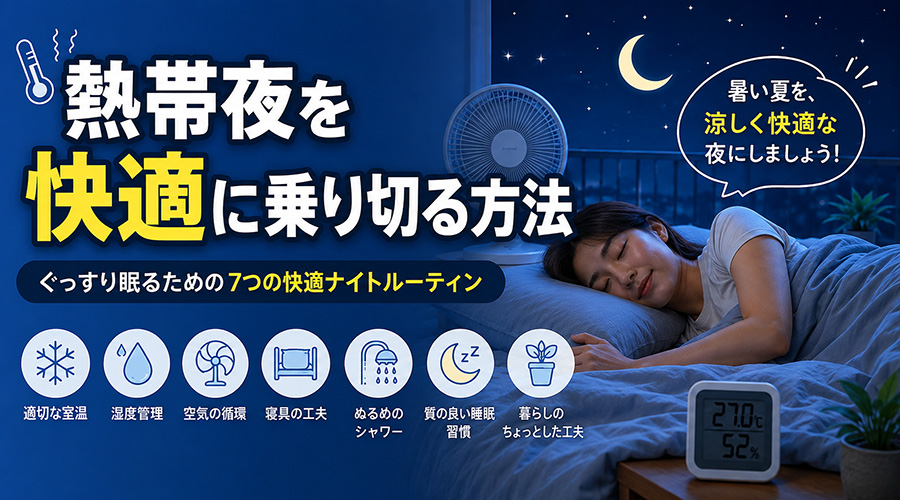
睡眠環境の最適化:温度と湿度の設定
熱帯夜を乗り切るために最も重要な第一の条件は、寝室の温度と湿度を適切にコントロールすることです。人が熟睡するのに最も理想的な睡眠温度は18〜22℃とされていますが、夏場は24〜26℃程度を維持するだけでも体温調節に大きく役立ちます。過度に低い温度は、冷房病(クーラー病)や自律神経の乱れを引き起こし、かえって睡眠を妨げる原因になります。
また、温度に劣らず重要な要素が湿度です。夏場の湿度が60%以上に高まると、汗の蒸発が抑えられ体温調節が難しくなります。エアコンの除湿機能や除湿機を活用し、寝室の湿度を40〜50%程度に保ちましょう。エアコンの風が直接体に当たらないように風よけを使用したり、風向きを調節し、1〜2時間のオフタイマーを活用すれば、一晩中体温が急激に下がるのを防ぐことができます。
体温を下げる正しい入浴法
就寝前に体温を下げるために冷水でシャワーを浴びる方が多いですが、これは間違った方法です。冷水が肌に触れると瞬間的に血管が収縮し、皮膚の表面温度は下がるかもしれませんが、それを補うために内臓や心臓部の深部体温はかえって上昇してしまいます。また、収縮していた血管が再び拡張する過程で、より強い熱を感じることになります。
最も効果的なのは、就寝の1〜2時間前に36〜39℃程度のぬるま湯でシャワーを浴びることです。ぬるま湯は血管を適度に拡張させ、体内の熱を外部へ自然に逃がすのを助けます。入浴後に体温がゆっくりと下がる過程で、脳はこれを睡眠のサインと認識し、メラトニンの分泌を促して自然な入眠に導きます。
快眠を促す寝具の素材と風通しの活用法
夏場、汗と熱気がマットレスにこもると体温が上昇し、睡眠中に何度も目が覚めてしまいます。そのため、熱を逃がしやすく通気性に優れた冷感寝具を活用することをおすすめします。レーヨン、リネン(麻)、モダールなどの天然の通気性素材や、接触冷感素材(ATB、ポリエチレンなど)の敷きパッドやタオルケットを使用すると、肌に触れる面の温度を即座に下げることができます。
また、扇風機をつける際は、壁や窓の方に向けて寝室全体の空気を循環させるのが効果的です。枕も同様に、頭の熱を逃がしてくれるそばがら枕や、冷感ジェルが含まれた機能性枕を使用すると、頭部の熱を効果的に下げ、深い眠りにつく手助けとなります。
睡眠を妨げる夜の食習慣の改善
熱帯夜が続く夏の夜は、夜食や冷たいビール一杯の誘惑に負けがちです。しかし、お酒を飲むとアルコールの分解過程で体温が上昇し、睡眠の質を左右するレム睡眠が妨げられ、途中で何度も目が覚めてしまいます。特に夜食として脂っこい食べ物を食べると、消化器官が一晩中働くことになり、体内の温度を上げて睡眠ホルモンの分泌を阻害します。
そのため、就寝の最低3時間前には食事を控えることをおすすめします。カフェインが含まれているコーヒー、緑茶、炭酸飲料は午後2時以降の摂取を控え、どうしても空腹や喉の渇きを感じた場合は、ぬるま湯や、体温調節・メラトニン生成に役立つバナナ、温かい牛乳一杯を軽く摂取するのが望ましいでしょう。
自律神経を安定させる睡眠ルーティン
暑さによるストレスは交感神経を活性化させ、体を緊張状態にします。睡眠を促す副交感神経を優位にするためには、一定の入眠ルーティンを作ることが重要です。就寝の1時間前からは、スマートフォン、テレビ、パソコンなどブルーライトを発する機器の使用を完全にやめましょう。ブルーライトは脳に光の刺激を与え、メラトニンの分泌を強力に抑え込んでしまいます。
代わりに、照明を柔らかな赤やオレンジ色の間接照明に変え、軽いストレッチや腹式呼吸を行ってみてください。4秒間息を吸い、7秒間息を止め、8秒間かけてゆっくりと息を吐く「4-7-8呼吸法」は、自律神経を安定させ心拍数を下げるため、暑さで高ぶった体を短時間で睡眠モードに切り替えるのに非常に効果的です。
よくある質問(FAQ)
質問 1. 熱帯夜にエアコンをつけっぱなしにして寝ても大丈夫ですか?
エアコンを一晩中つけっぱなしにすると、室内の湿度が急激に下がり、呼吸器の乾燥や冷房病(クーラー病)を引き起こす可能性があります。おやすみモードやタイマー機能を活用して就寝の2〜3時間後に切れるように設定するか、温度を25〜26℃に設定し、風が直接体に当たらないように風向きを調節しておくのが安全です。
質問 2. 暑い時に冷水でシャワーを浴びるのは本当に良くないのですか?
はい、冷水シャワーは一時的な涼しさを得られますが、末梢血管を収縮させて体内の熱の放出を妨げ、時間が経つとその反動で体温がさらに上がってしまいます。快眠のためには、ぬるま湯(36〜39℃)でシャワーを浴びる方が、自然に体温を下げるのにはるかに効果的です。
質問 3. 熱帯夜の快眠に役立つ食べ物や飲み物はありますか?
睡眠ホルモンであるメラトニンの生成を助けるトリプトファンが豊富なバナナ、温かい牛乳、そして体温調節に役立つチェリーなどがおすすめです。ただし、就寝直前に大量に摂取すると消化に負担をかけるため、少量にとどめてください。
質問 4. エアコンがない場合、扇風機だけで熱帯夜を乗り切る方法はありますか?
扇風機の風を直接体に強く当てるよりも、窓に向けて室内の熱気を外に逃がしたり、壁に向けて風を反射させ、部屋全体の空気を循環させるのが効果的です。扇風機の後ろに保冷剤や冷たいペットボトルを置くと、より涼しい風を作り出すことができます。
質問 5. 夏場、途中で目が覚めて汗をたくさんかいている時はどうすればいいですか?
目が覚めた時、無理にまた寝ようとするとストレスでさらに体温が上がってしまいます。一度ベッドから出て、ぬるま湯を少し飲み、薄暗い照明の下で軽いストレッチや読書などをして心身を落ち着かせ、再び眠気を感じてからベッドに戻るのが良いでしょう。
まとめ
熱帯夜による睡眠不足は、単なる疲労感にとどまらず、免疫力の低下や集中力の減退など健康に悪影響を及ぼします。今回ご紹介した適切な温度・湿度の調整、ぬるま湯でのシャワー、通気性の良い寝具の活用、就寝前のルーティン作りをぜひ実践してみてください。少しの環境変化と生活習慣の改善だけで、熱帯夜の中でも涼しく深い眠りにつくことができるはずです。
おすすめ記事
-
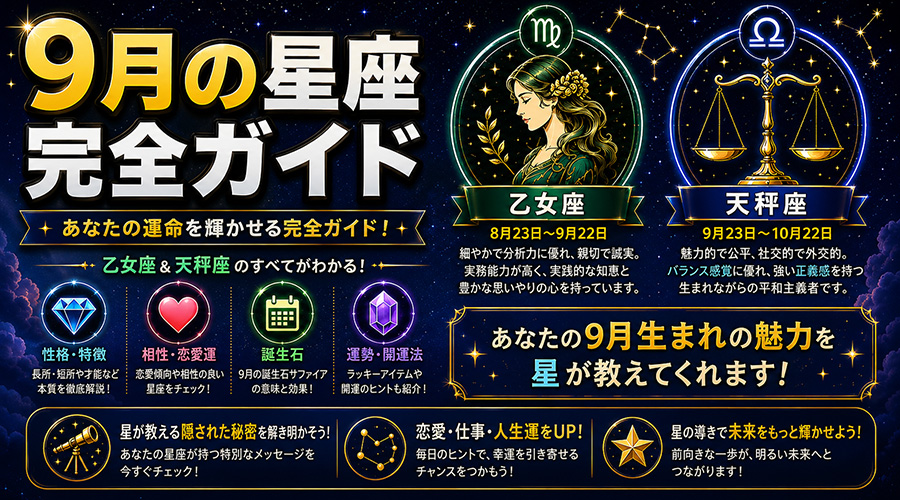 9月の星座ガイド:おとめ座とてんびん座の性格・相性を徹底解説
9月生まれの星座が気になりませんか?9月の星座は、日付によって完璧主義な「おとめ座(乙女座)」と、調和を愛する「てんびん座(天秤座)」の2つに分かれます。この記事では、これら2つの星座の正確な期間、魅力的な性格の特徴、最も相性の良い星座、そして9月の誕生石「サファイア」に隠された意味について詳しく解説します。
-
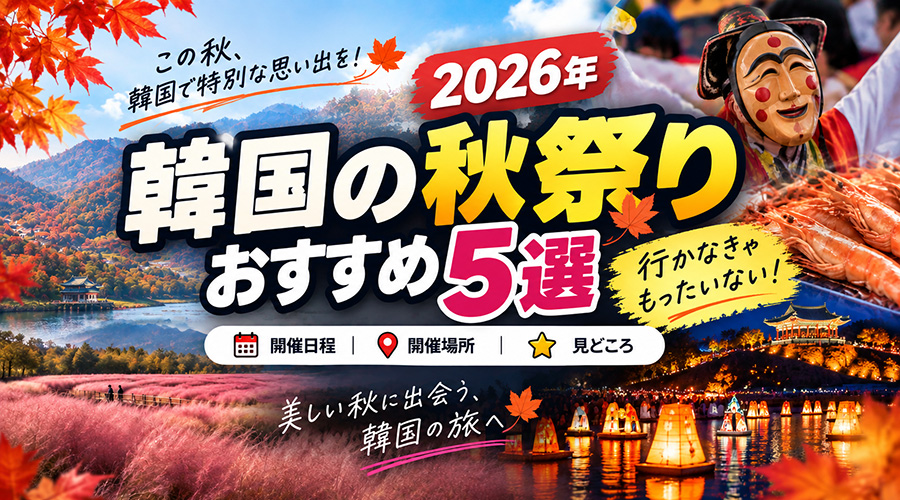 【2026年最新】韓国の秋祭りおすすめ5選!9月中旬以降に行きたいイベント情報"
爽やかな秋風が吹き抜ける季節になると、韓国各地で多彩で賑やかなイベントが開催されます。今回は、2026年に韓国全国で開催される主要な秋祭り5選の日程、場所、見どころをまとめました。美味しい旬の味覚から壮大な光景まで、この秋特別な思い出を作ってみませんか。
-
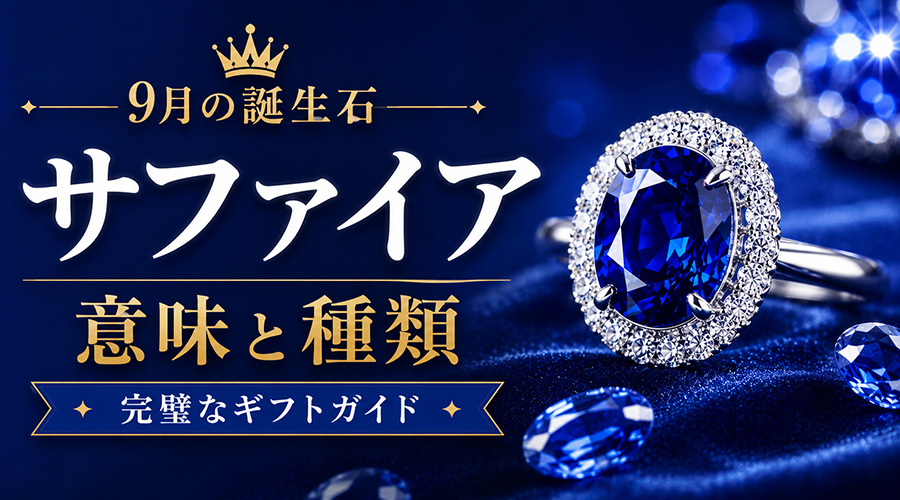 9月の誕生石サファイアの意味と種類:贈り物に最適なジュエリーガイド
9月の誕生石であるサファイアの石言葉や由来、魅力をご紹介します。大切な方へのプレゼントや自分へのご褒美にふさわしい、サファイアの指輪やネックレスなどの選び方について解説します。
-
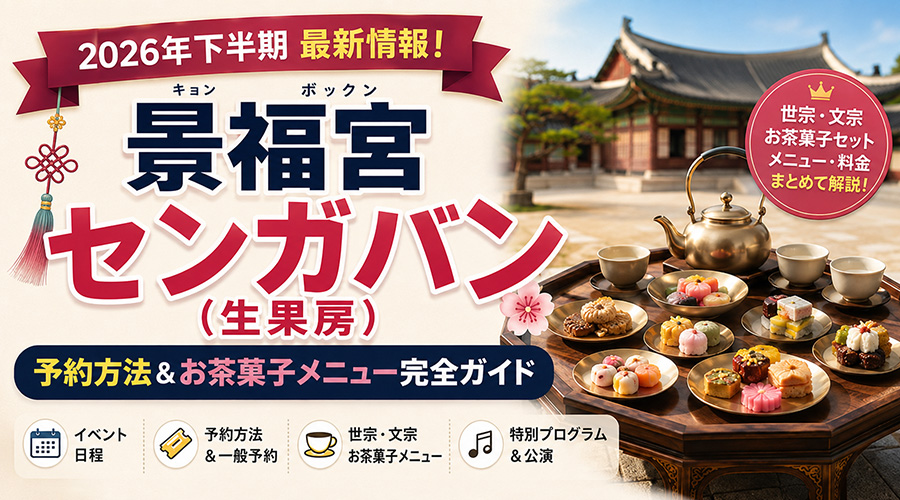 景福宮 生果房 2026:韓国の宮廷デザート体験&予約ガイド
2026年下半期に開催される景福宮(キョンボックン)生果房(セングァバン)イベントの完全ガイド。開催日程、チケット抽選システム、宮廷デザートのセットメニュー(世宗大王・文宗セット)、料金、そして特別な生演奏公演に関するすべての情報を網羅しています。韓国の伝統的な宮廷茶とスイーツの魅力を存分に味わう準備をしましょう。
-
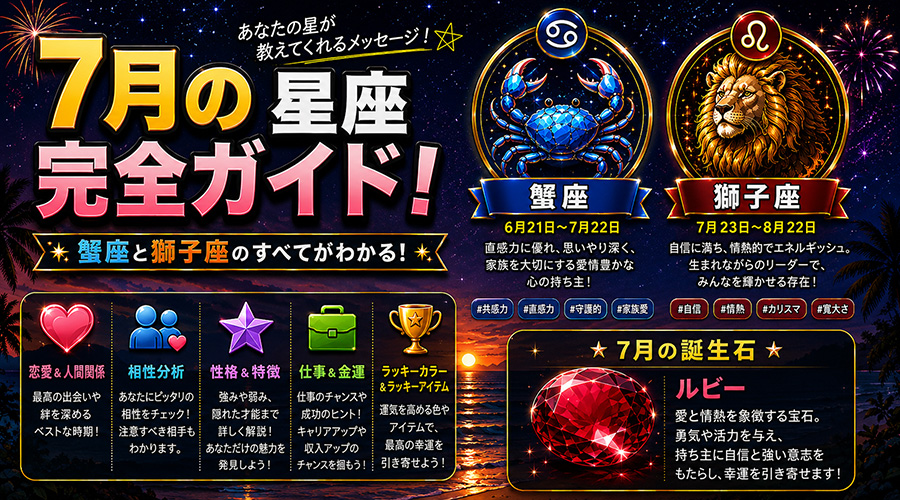 7月生まれの星座完全ガイド:蟹座と獅子座の性格・相性、誕生石ルビーの意味
本格的な夏の暑さが訪れる7月。この月に生まれた人たちは、一体どのような特別な魅力を持っているのでしょうか?7月生まれは、誕生日の違いによって、情緒豊かな「蟹座」と、情熱的なリーダー気質を持つ「獅子座」のいずれかに分かれます。この記事では、7月の星座の性格や特徴、相性はもちろんのこと、7月の美しい誕生石であるルビーに込められた意味についても詳しく解説していきます。
-
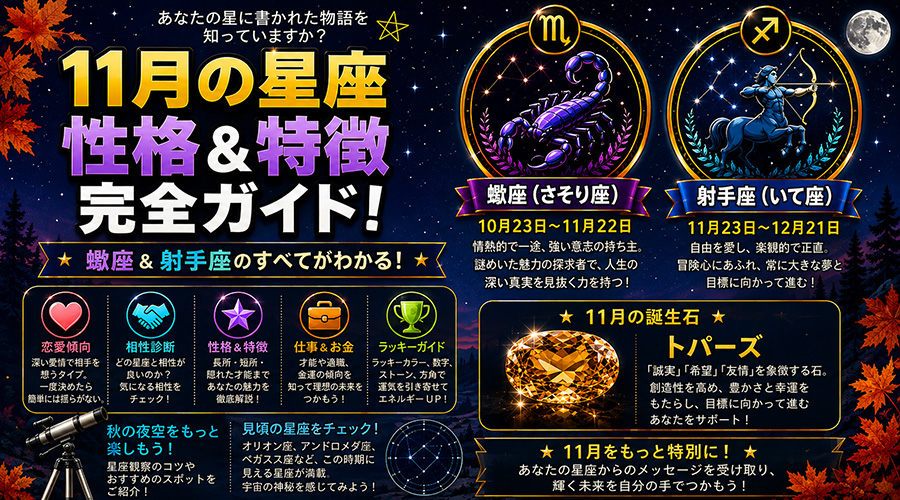 11月の星座と性格特徴(さそり座・いて座)
11月生まれの人の星座は何でしょうか?11月は、神秘的で情熱的な「さそり座」と、自由奔放な「いて座」が共存する月です。この記事では、これらの星座の正確な日付、性格の特徴、恋愛スタイル、相性、そして11月の誕生石について詳しく見ていきます。
-
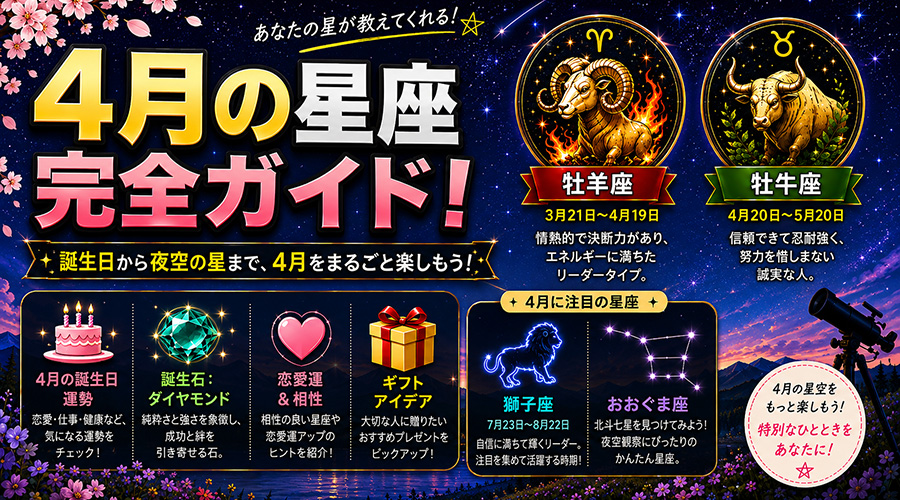 4月の星座の完全ガイド:性格、特徴、春の星空観察のポイント
4月生まれの星座の性格や特徴から、春の星座を観察するコツまで、4月の星たちにまつわる知りたい情報を余すところなくご紹介します。
-
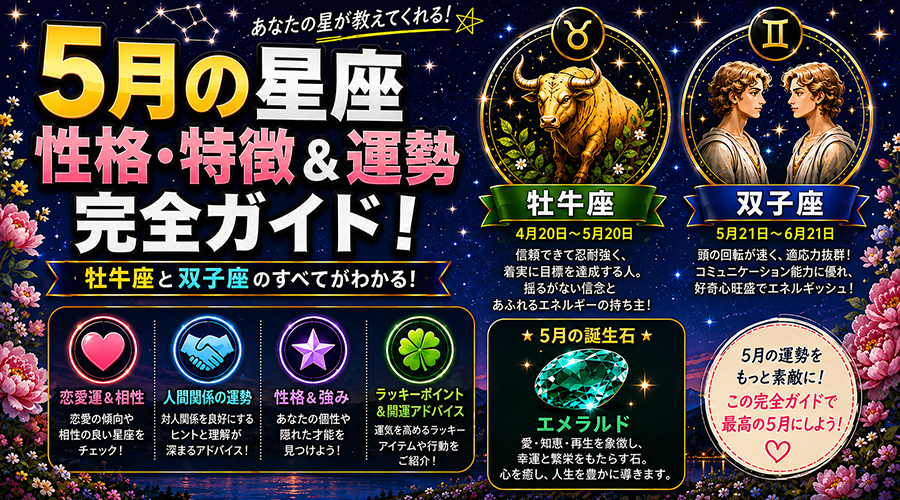 5月生まれの星座:牡牛座(おうし座)と双子座(ふたご座)の特徴・性格・相性
5月生まれの方の性格、長所、短所から、恋愛スタイル、5月の誕生石であるエメラルドまで、牡牛座と双子座の星座に関する完全ガイドをお届けします。