Heatstroke vs. Heat Exhaustion: Causes, Symptoms, First Aid, and Prevention Guide
When the summer heatwave persists, the number of patients suffering from heat-related illnesses, complaining of dizziness and headaches, sharply increases. Among them, heatstroke and heat exhaustion are the most common. However, many people fail to respond properly in the early stages because they don't know the exact differences between the two. Heatstroke and heat exhaustion not only differ in their causes and symptoms but also require crucially different first aid methods. Understanding these differences can be the key to saving a life. In this article, we will thoroughly explore the fundamental differences between the two conditions and how to properly handle these emergency situations.
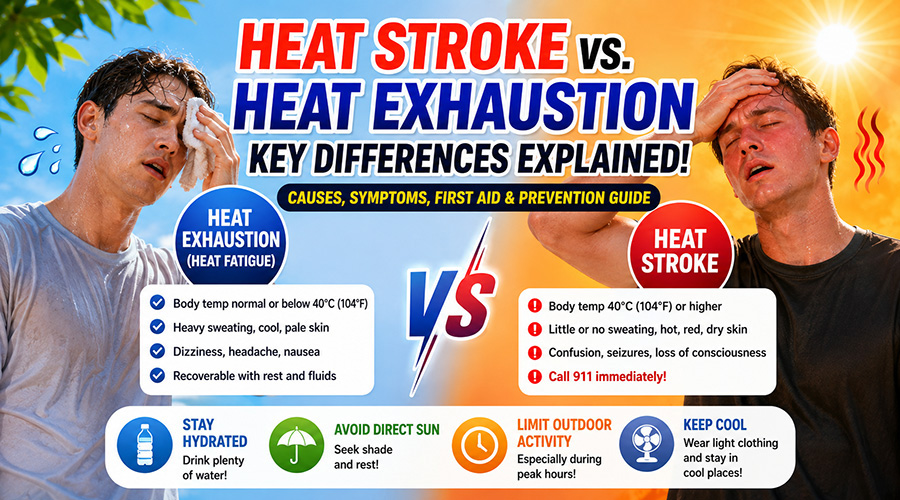
1. Understanding Heat-Related Illnesses: What are Heat Exhaustion and Heatstroke?
Every summer, when a heatwave advisory or warning is issued, "heat-related illness" is a term you'll undoubtedly hear on the news. Heat-related illness is a general term for acute conditions that occur when the human body fails to properly regulate its temperature after prolonged exposure to hot environments. Heat exhaustion and heatstroke are the most representative types, and they differ significantly in everything from their underlying mechanisms to the severity of their symptoms.
Definition of Heat Exhaustion
Heat exhaustion is a condition caused by prolonged exposure to high temperatures and excessive sweating, resulting in a failure to adequately replenish fluids and salt (electrolytes) in the body. When our body temperature rises, we sweat to lower it through the heat of vaporization. During this process, a rapid loss of body water thickens the blood and reduces blood flow. This leads to the characteristic symptoms of heat exhaustion: extreme fatigue, headaches, dizziness, and muscle cramps.
Definition of Heatstroke
Heatstroke is a much more dangerous, severe heat-related illness than heat exhaustion. It occurs in hot and humid environments when the body's temperature control center (hypothalamus) completely loses its function, causing body temperature to rise abnormally without cooling down. While untreated heat exhaustion can worsen into heatstroke, heatstroke can also occur suddenly on its own. The core body temperature skyrockets above 40°C (104°F), potentially causing fatal damage to the brain and other major organs. It is an emergency requiring immediate medical intervention.
2. Key Differences Between Heatstroke and Heat Exhaustion
On the surface, heatstroke and heat exhaustion may look similar, with patients complaining of dizziness or collapsing. However, close observation reveals clear differences. The key words to distinguish them are 'body temperature', 'sweat production', and 'state of consciousness'. Let's clearly compare the differences through the table below.
| Category | Heat Exhaustion | Heatstroke |
|---|---|---|
| Core Temperature | Normal or slightly elevated (below 40°C) | Sudden high fever (above 40°C) |
| Skin Condition (Sweat) | Pale, cold, and excessively sweaty (clammy) | Flushed, hot, and dry without sweat (exertional heatstroke may involve sweat) |
| State of Consciousness | Dizziness or mild confusion, but generally normal | Loss of consciousness, severe delirium, seizures, and central nervous system abnormalities |
| Key Symptoms | Extreme fatigue, headache, vomiting, muscle cramps | Severe headache, chills, seizures, multiple organ damage |
| Risk Level | Relatively mild; recoverable with rest and hydration | Highly critical; high fatality rate requiring immediate 911 call |
Differences in Body Temperature and Skin Condition
A patient with heat exhaustion desperately sweats to lower their body temperature, making their skin feel clammy and cold. In contrast, a heatstroke patient's temperature regulation system completely breaks down, shutting the sweat glands. Therefore, the most prominent characteristic is skin that is burning hot, dry, and flushed red. However, in cases of "exertional heatstroke" occurring during intense physical labor or exercise, the skin may be wet, so it's essential to check the state of consciousness and body temperature together.
Changes in Consciousness
In the heat exhaustion stage, even if the patient feels weak and dizzy, they can answer normally when spoken to. However, heatstroke severely impacts brain function, causing the patient to talk nonsense, lose consciousness, collapse, and in severe cases, experience seizures. If someone collapses in the heat and cannot respond when called or has clouded consciousness, you must suspect heatstroke and request emergency rescue immediately.
3. Proper First Aid for Heat Exhaustion
If addressed early, most cases of heat exhaustion recover quickly. If you find someone complaining of heat exhaustion symptoms nearby, follow these first aid steps:
- Move to a cool place: Immediately move the patient to a shaded area away from direct sunlight or an air-conditioned indoor space.
- Lower body temperature and secure breathing: Unbutton tight clothing or loosen ties and belts to help them breathe comfortably and allow body heat to escape.
- Replenish fluids and electrolytes: If the patient is fully conscious, have them slowly drink cool water or a sports drink (isotonic drink). Sports drinks help quickly replenish sodium and electrolytes lost through sweat. If only plain water is available, mixing in a small amount of salt is another option.
- Sufficient rest: Elevate the patient's legs above their head to increase blood flow to the heart and allow them to rest safely. If symptoms do not improve after 30 minutes of rest, or if severe vomiting prevents them from drinking fluids, immediately transport them to a hospital for intravenous fluids.
4. Why Heatstroke is Fatal and How to Respond
Heatstroke is a critical medical emergency with a very short "golden hour," where a delay of just a few minutes can determine life or death or leave severe brain damage. If a high fever of over 40°C persists, multiple organ failure occurs, literally cooking major organs like the brain, liver, and kidneys. Therefore, if heatstroke is suspected, calling 911 immediately is the absolute top priority.
Before the ambulance arrives, make every effort to lower the patient's body temperature as rapidly and drastically as possible at the scene. After removing or loosening the patient's clothing, spray cool water all over their body and use a fan to drop the temperature through evaporative cooling. Applying ice packs or cold, wet towels to the back of the neck, armpits, and groin—where blood vessels run close to the skin surface—is highly effective in lowering body temperature.
Absolute Precaution: Since most heatstroke patients are unconscious or semiconscious, never force them to drink water or beverages by mouth. Forcing fluids on an unconscious person can cause the liquid to enter the airway, leading to choking or aspiration pneumonia, putting their life in even greater danger.
5. Daily Tips to Prevent Heat-Related Illnesses in Summer
While knowing how to respond after an illness occurs is important, prevention is always the best approach. With the number of heatwave days increasing every year due to climate change, it's crucial to make heat-related illness prevention a daily habit. Review and practice the checklist below.
| Category | Detailed Core Prevention Guidelines |
|---|---|
| Hydration Rules | Drink water or sports drinks regularly before feeling thirsty. Avoid caffeine and alcohol, as they promote dehydration through diuretic effects. |
| Avoiding High-Risk Hours | Minimize outdoor activities and intense physical labor between 12 PM and 5 PM, the hottest part of the day, and rest in a cool place. |
| Clothing and Gear | Wear loose, light-colored cotton clothing that is highly breathable and absorbs sweat quickly. Always use a parasol, wide-brimmed hat, and sunscreen when going out. |
| Indoor Environment Management | Use cooling devices like fans or air conditioners appropriately to maintain the indoor temperature around 26°C (79°F). Block direct sunlight with blackout curtains. |
| Care for Vulnerable Groups | The elderly, children, and those with chronic conditions (high blood pressure, diabetes, etc.) have weaker thermoregulation, requiring careful observation and regular check-ins from guardians. |
Especially for outdoor workers or agricultural workers, it is essential to rest in the shade for at least 15 minutes every 2 hours. On days when heatwave warnings are issued, postponing strenuous work schedules and fostering a culture of checking on colleagues' well-being must be established to prevent tragic accidents caused by heat-related illnesses.
Frequently Asked Questions (FAQ)
Can heat exhaustion turn into heatstroke if left untreated?
Yes, it can. If you experience symptoms of heat exhaustion but continue to be exposed to high temperatures without resting in a cool place or drinking fluids, your body's temperature regulation system can completely break down, leading to fatal heatstroke.
Does excessive sweating always mean heat exhaustion?
Sweating a lot is a normal physiological response to lower body temperature. However, if excessive sweating is accompanied by dizziness, headaches, severe lethargy, or nausea, it is highly likely to be an early symptom of heat exhaustion, requiring you to immediately move to a cool place and rehydrate.
Are sports drinks better than water for preventing heat-related illnesses?
Drinking only plain water after sweating heavily can cause hyponatremia, a sudden drop in blood sodium levels. Sports drinks (isotonic drinks) contain electrolytes and sugars at concentrations similar to body fluids, aiding rapid absorption and energy replenishment, making them more effective for prevention and recovery.
Can I give fever reducers (antipyretics) to a heatstroke patient?
Absolutely not. Fever reducers are medications that work when the brain's temperature set point is raised due to infection or inflammation. For environmental hyperthermia like heatstroke, where body temperature rises abnormally due to external environments, fever reducers are entirely ineffective and can cause fatal side effects to the liver or kidneys, which may already be damaged by the heatstroke.
Can heat-related illnesses occur indoors?
Yes, heat-related illnesses can definitely occur indoors. Poorly ventilated, narrow indoor spaces without air conditioning—such as greenhouses, cars with the engine off, and unventilated high-rise apartments—are dangerous blind spots for heatstroke because the greenhouse effect can make them even hotter than outside.
Final Thoughts
Summer heatwaves are an unwelcome guest that returns every year, but with accurate knowledge and prompt response, they can certainly be overcome. Please remember the key difference: heat exhaustion is a state of physical drain caused by dehydration and excessive sweating, while heatstroke is a life-threatening high-fever condition where the temperature regulation function has broken down. In particular, "hot, dry skin" and "loss of consciousness" are red alerts for heatstroke, requiring an immediate 911 call to save a life. By adhering to basic heat-related illness prevention guidelines, such as drinking plenty of fluids and avoiding going out in the middle of the day, we hope you and your family enjoy a safe and healthy summer.
Recommended Articles
-
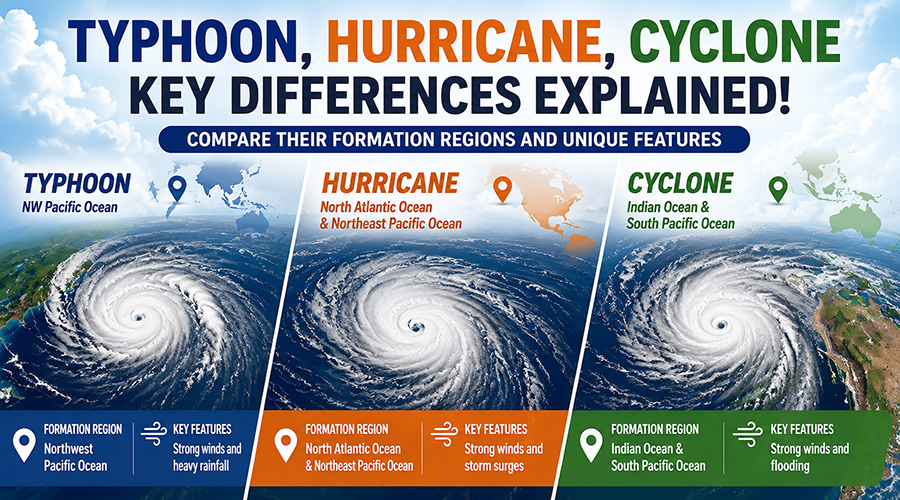 Differences Between Typhoons, Hurricanes, and Cyclones: Origins and Characteristics
Every summer and fall, there is a weather phenomenon that inevitably makes the news: tropical cyclones, accompanied by tremendous wind and rain. Besides the familiar 'typhoon', we often hear terms like 'hurricane' and 'cyclone' in international news. In this article, we will clearly compare the differences between typhoons, hurricanes, and cyclones, and explore the characteristics of each weather phenomenon along with detailed preparation methods.
-
 December Zodiac Signs Guide: Sagittarius & Capricorn Dates, Traits, and Compatibility
What zodiac signs do people born in December have? Let's dive into the details of the December zodiac signs, Sagittarius and Capricorn, exploring their exact dates, personality traits, best compatibility matches, and the lucky birthstones they share.
-
 The Ultimate Guide to April Zodiac Signs: Horoscopes, Traits, and Spring Stargazing
From zodiac personality traits for April birthdays to tips on stargazing spring constellations, explore everything you need to know about the stars of April.
-
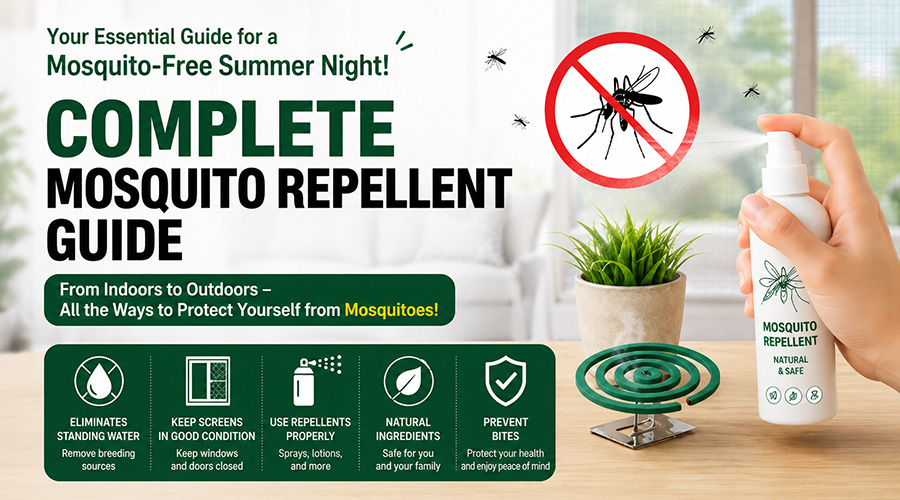 The Ultimate Mosquito Control Guide: How to Get Rid of Mosquitoes at Home
Mosquitoes aren’t just a summer nuisance—they can linger well into early autumn, ruining sleep and carrying potential diseases. Having even a single mosquito buzzing around your bedroom can keep you awake all night, making prevention and control essential. This comprehensive guide covers effective ways to get rid of mosquitoes at home, natural scents they hate, outdoor protection strategies, and what to do if you get bitten.
-
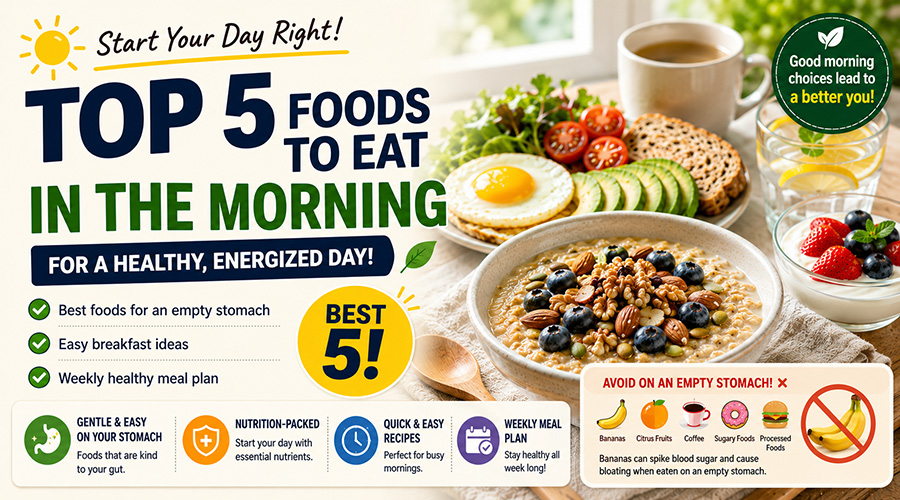 Top 5 Best Foods to Eat in the Morning! Healthy Breakfast Ideas for an Empty Stomach
On busy mornings, many of us skip meals due to a lack of time or just grab whatever food is in sight before heading out. However, one of the most critical factors determining your daily condition is your 'breakfast.' In particular, the right morning foods protect the stomach lining—which becomes sensitive after being empty all night—and provide enough energy to the brain, helping you maintain high concentration and vitality throughout the morning. Conversely, the wrong menu choice can cause stomach cramps, heartburn, and fatigue. In this article, we will take a deep dive into 5 highly nutritious breakfast foods that are easy on the stomach, foods you should avoid, and quick meal plans tailored for busy modern people and children.
-
 March Zodiac Signs: Personality Traits & Characteristics (Pisces & Aries)
Discover everything you need to know about March zodiac signs, Pisces and Aries, including their dates, personalities, traits, love compatibility, and March birthstones.
-
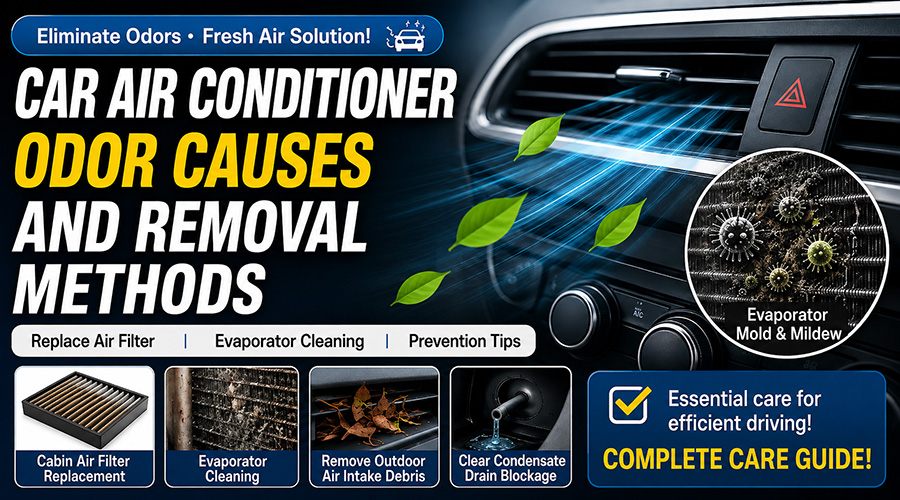 Causes of Car AC Smells and How to Get Rid of Them
If your car air conditioner smells like a damp rag or has a musty odor, it could be more than just an unpleasant nuisance—it may be a sign that mold and bacteria are breeding inside. In this article, we will explore the causes of car AC odors, effective removal methods, and how to prevent them.
-
 2026 Gyeongbokgung Starlight Tour in Seoul, South Korea: Booking Guide, Dates, Tickets & Dosirak Royal Meal
Enjoy a peaceful night at one of Korea's most famous royal palaces! Here is your complete guide to the Gyeongbokgung Starlight Tour, including booking schedules, the Doseuk Surasang traditional royal dinner, the guided tour course, and tips for securing your tickets.