7 Tips to Save Gas Money! Practical Driving Habits for Better Fuel Efficiency
In an era of high prices, fuel costs are a major concern for drivers. However, simply tweaking your driving habits and staying on top of basic car maintenance can significantly lower your gas bills. Today, we've compiled actionable, real-world tips to boost your vehicle's fuel efficiency.
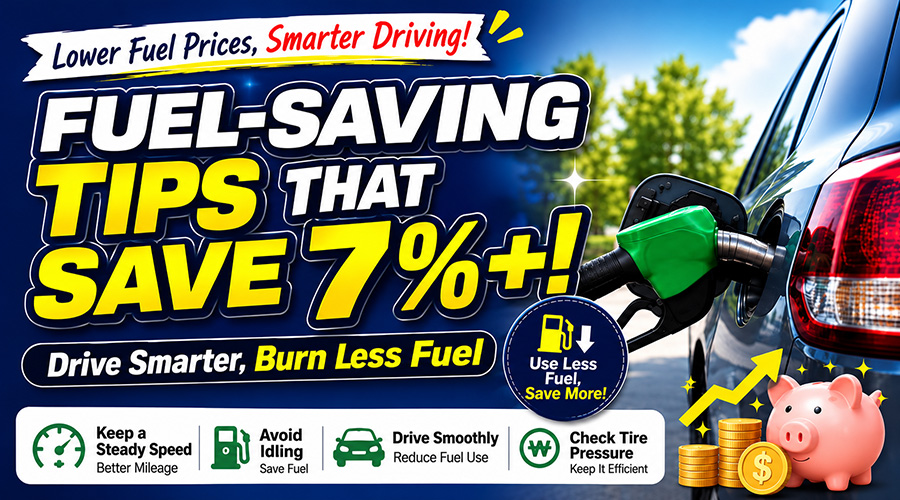
1. Avoid the "3 Suddens" (Sudden Starts, Acceleration, and Braking)
The biggest culprit behind poor gas mileage is erratic driving. The "3 Suddens"—sudden starts, hard acceleration, and harsh braking—place an intense, immediate load on the engine, burning far more fuel than normal.
When starting from a stop, take your foot off the brake and let the car's natural "creep" roll it forward before gently pressing the gas. Simply making smooth pedal transitions a habit can improve your fuel economy by 10% to 20%.
2. Build Smart Refueling Habits
When and how you fill up your tank can also save you money. Fuel expands and contracts depending on the temperature, so timing your trips to the gas station matters.
| Category | Recommended Habit | Habit to Avoid |
|---|---|---|
| Time of Day | Early morning or late night (when it's cooler) | Midday (when it's hottest) |
| Fuel Amount | Fill the tank to 70-80% | Fill it completely to the brim |
| When to Refuel | When the gauge still shows one bar | When the warning light comes on and the tank is empty |
If you refuel when the tank is completely empty, the gas splashing against the bottom oxidizes and evaporates. It's best to refuel proactively when you have about a quarter tank left.
3. Reduce Vehicle Weight and Aerodynamic Drag
The heavier your car, the harder the engine has to work. Storing unnecessary items like camping gear, car wash supplies, or heavy boxes in the trunk adds weight and lowers gas mileage. On average, fuel efficiency drops by about 1% for every 10kg (22 lbs) of extra weight.
Also, driving with the windows down at high speeds drastically increases air resistance (drag). When driving on the highway at speeds above 80 km/h (50 mph), keeping the windows rolled up and running the air conditioning on low is actually the better way to save gas.
4. Keep Up with Routine Maintenance and Tire Checks
What you can't see under the hood also heavily impacts fuel efficiency. Neglecting to replace consumables reduces engine performance, and driving with incorrect tire pressure affects both your wallet and your safety.
| Maintenance Item | Recommended Cycle | Impact on Fuel Efficiency |
|---|---|---|
| Tire Pressure | Check once a month | Under-inflated tires increase road friction, dropping efficiency by 3-5% |
| Engine Oil | Every 10,000km to 15,000km | Dirty oil increases engine resistance, burning more fuel |
| Air Filter | Replace alongside engine oil | Clogged filters restrict airflow, causing incomplete combustion and poor mileage |
If your tires are under-inflated, the surface area touching the road increases, meaning it takes more energy (and fuel) to move the car forward. Make it a habit to check your tire pressure whenever you visit an auto shop.
5. Drive at Optimal Speeds and Use Cruise Control
The "sweet spot" for fuel economy is generally between 60-80 km/h (40-50 mph) on local roads and 90-100 km/h (55-65 mph) on highways. Exceeding these optimal speeds causes fuel consumption to skyrocket.
If you're on a long highway trip, take full advantage of your car's cruise control feature. It maintains a much steadier speed than your foot ever could, preventing the micro-accelerations that waste fuel.
Frequently Asked Questions (FAQ)
Does getting gas in the morning actually save money?
Yes. Because fuel is denser when temperatures are lower in the early morning or late night, you get a slightly larger volume of gas for the same price compared to refueling in the heat of the day.
Is it better for gas mileage to use the AC or roll down the windows?
At lower speeds (under 60 km/h), rolling down the windows is more efficient. But at highway speeds (over 80 km/h), open windows create significant aerodynamic drag. In that case, rolling the windows up and using the AC saves more gas.
Should I fill my tank all the way to the top?
No. Filling your tank 100% adds unnecessary weight to the vehicle, which can lower fuel efficiency. It is recommended to fill your tank to only 70-80% capacity.
Does using cruise control improve fuel economy?
Absolutely. Using cruise control on highways or flat roads maintains a constant speed and prevents unnecessary accelerating and braking, which goes a long way in improving fuel efficiency.
How much does tire pressure actually affect gas mileage?
If your tire pressure is below the recommended level, increased friction with the road can drop your gas mileage by 3-5%. You should check your tire pressure at least once a month.
Conclusion
We've covered 7 highly effective, easy-to-follow tips for saving money at the pump. Adopting smooth driving habits, keeping your tank at 70-80%, emptying your trunk, and regularly checking your tires can noticeably slash your monthly fuel expenses. Start applying these strategies today for a more economical and safer driving experience.
Recommended Articles
-
 August Zodiac Signs: Ultimate Guide to Traits and Personalities (Leo & Virgo)
What is the zodiac sign for people born in August? Depending on your exact birthday, you fall under either Leo or Virgo. Let's dive deep into their charming personalities, distinct traits, and romantic compatibility.
-
 Complete Guide to June Zodiac Signs and Birthstones: Gemini, Cancer Traits and Pearl Meanings
Let's explore in detail the fascinating personality traits of Gemini and Cancer, the zodiac signs for those born in June, along with the deep meanings of June's symbolic birthstones: pearl, moonstone, and alexandrite.
-
 The Ultimate Guide to October Zodiac Signs & Birthstones! Libra, Scorpio Traits & Opal Meaning
October, with its refreshing autumn breeze, is the perfect month for observing beautiful constellations in the night sky. Those celebrating their birthdays in October are graced with unique October zodiac signs and the colorful brilliance of October birthstones. In this article, we dive into the characteristics of Libra and Scorpio based on birth dates, explore the mystical meanings behind October's birthstones—Opal and Tourmaline—and provide a detailed stargazing guide for the October night sky.
-
 Complete Guide to July Zodiac Signs: Cancer & Leo Traits, Compatibility, and July Birthstone
July marks the true beginning of summer heat. What special charms do people born during this month possess? Depending on their birth date, individuals born in July fall under either the emotionally sensitive Cancer or the passionate leader Leo. In this article, we will thoroughly explore the personalities, characteristics, and compatibility of July zodiac signs, as well as the meaning of the ruby, the beautiful birthstone symbolizing July.
-
 The Ultimate Guide to April Zodiac Signs: Horoscopes, Traits, and Spring Stargazing
From zodiac personality traits for April birthdays to tips on stargazing spring constellations, explore everything you need to know about the stars of April.
-
 December Zodiac Signs Guide: Sagittarius & Capricorn Dates, Traits, and Compatibility
What zodiac signs do people born in December have? Let's dive into the details of the December zodiac signs, Sagittarius and Capricorn, exploring their exact dates, personality traits, best compatibility matches, and the lucky birthstones they share.
-
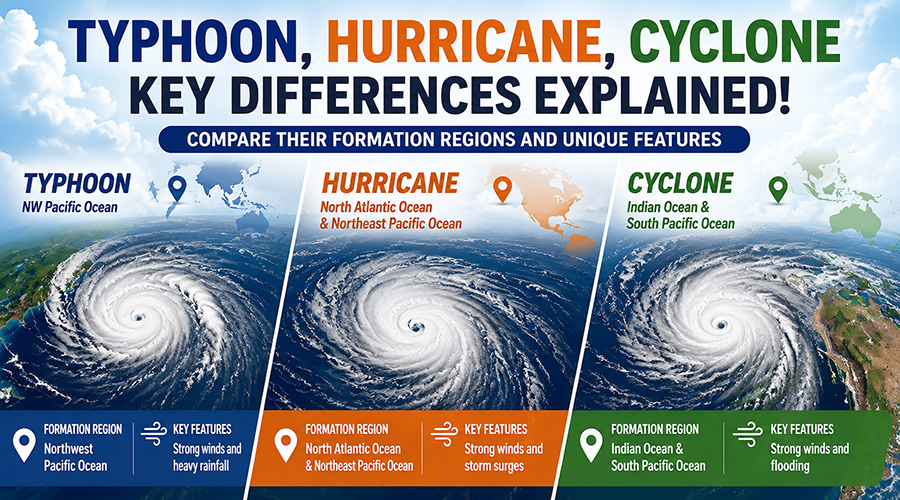 Differences Between Typhoons, Hurricanes, and Cyclones: Origins and Characteristics
Every summer and fall, there is a weather phenomenon that inevitably makes the news: tropical cyclones, accompanied by tremendous wind and rain. Besides the familiar 'typhoon', we often hear terms like 'hurricane' and 'cyclone' in international news. In this article, we will clearly compare the differences between typhoons, hurricanes, and cyclones, and explore the characteristics of each weather phenomenon along with detailed preparation methods.
-
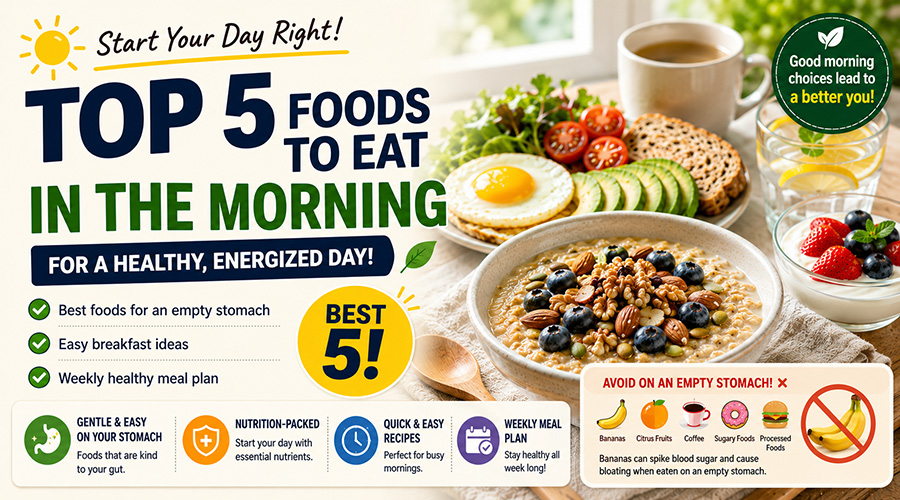 Top 5 Best Foods to Eat in the Morning! Healthy Breakfast Ideas for an Empty Stomach
On busy mornings, many of us skip meals due to a lack of time or just grab whatever food is in sight before heading out. However, one of the most critical factors determining your daily condition is your 'breakfast.' In particular, the right morning foods protect the stomach lining—which becomes sensitive after being empty all night—and provide enough energy to the brain, helping you maintain high concentration and vitality throughout the morning. Conversely, the wrong menu choice can cause stomach cramps, heartburn, and fatigue. In this article, we will take a deep dive into 5 highly nutritious breakfast foods that are easy on the stomach, foods you should avoid, and quick meal plans tailored for busy modern people and children.