5 Causes of Gnats in the House & Complete Extermination Guide
Gnats visit like uninvited guests every summer. Where do they come from and how do they form? We'll identify the exact causes of gnats in your home and introduce tailored extermination methods for each location, along with prevention tips to maintain a pleasant indoor environment.
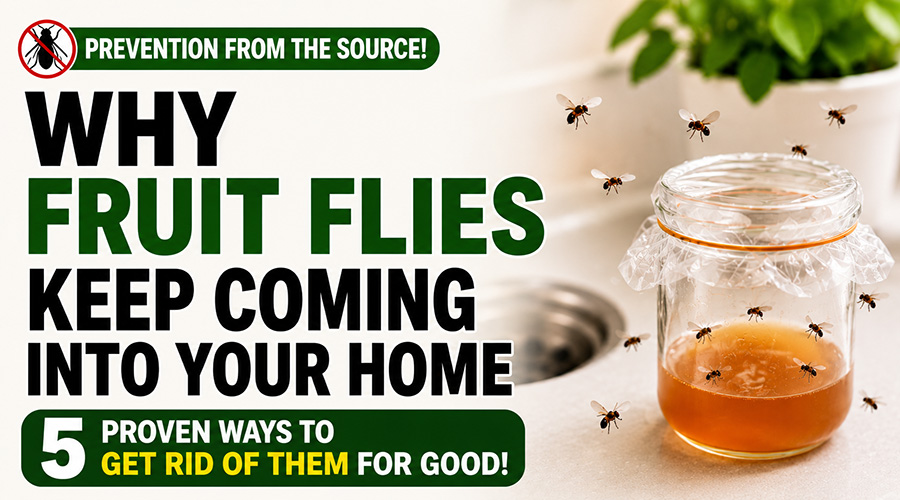
1. 5 Main Causes of Gnats in the House
Gnats buzzing in front of your eyes out of nowhere are a major source of annoyance. Even if you keep your home clean, if gnats are swarming, it might be due to an environment you've unknowingly neglected. Let's look at the 5 main causes of gnats in the house.
External Entry and Window Screen Gaps
Gnats are very small, measuring 2-3mm, so they can easily pass through unless you have fine mesh window screens. They also frequently enter through water drainage holes in window frames, gaps in worn-out screens, or by attaching themselves to people's bodies or clothes when opening and closing the front door.
Neglected Fruit and Food Waste
Fruit peels that produce sweet and sour scents, or fermenting food waste, are the best breeding grounds for gnats like fruit flies. It is also common for eggs already attached to the stems of fruits stored at room temperature to hatch indoors.
Kitchen Sinks and Bathroom Drains
Grime and food debris built up inside drain pipes, combined with a warm and humid environment, become a perfect habitat for 'phorid flies' and 'drain flies'. Even if it looks clean on the outside, they lay eggs and reproduce deep inside the drain.
Overwatered Indoor Plants
If you keep plants at home, you need to check the potting soil. If the soil remains soggy for a long time, organic matter decays, making it easy for 'fungus gnats' to breed.
Recycling Bins and Residue
If beverage bottles, beer cans, and delivery containers are collected in the recycling bin without being rinsed clean, the remaining sugar and odors strongly attract gnats from the outside.
2. Characteristics of Common House Gnats by Type
Knowing your enemy is half the battle. The tiny bugs flying around the house may look similar, but their habitats and preferred environments vary. Compare the types of gnats bothering your home through the table below.
| Type | Appearance & Behavioral Traits | Main Occurrence & Habitat |
|---|---|---|
| Fruit Fly | Has red eyes and flies in straight lines. Strongly prefers the sweet smell of fruits and acidic (vinegar) scents. | Room-temperature fruits, kitchen sinks, food waste bins. |
| Phorid Fly | Dark color with a humped back. Tends to hop or walk rather than fly. Prefers decaying proteins. | Drains, bottoms of trash cans, around rotten meat. |
| Fungus Gnat | Looks like a small black mosquito with a fragile body. Flies low around the soil and feeds on plant roots. | Topsoil of indoor plants, moist potting soil. |
| Drain Fly | Looks like a tiny moth with a furry body. Often found resting motionless on walls. | Bathroom tiles, inside drains, bathroom sink drains. |
3. Surefire Gnat Extermination Methods by Location
Once you understand the habitats and habits of gnats, you need to apply tailored extermination methods for each location. If you don't remove the root cause, they will reappear a few days after spraying insecticide.
Complete Kitchen and Sink Blocking Method
The most important thing is to eliminate the environment where eggs can hatch. Wash fruits thoroughly under running water as soon as you buy them and store them in the refrigerator to remove fruit fly eggs on the stems. Store food waste in airtight containers or dispose of it immediately. Pour boiling water down the kitchen sink drain 2-3 times a week to scald and kill larvae and eggs attached to the inner walls.
Bathroom Drain Cleaning Method
Baking soda and vinegar are effective in eliminating drain flies and phorid flies living in bathroom drains. Pour a cup of baking soda down the drain followed by vinegar to create a foam that breaks down stubborn grime. After 30 minutes, pour plenty of hot water to wash it away, eliminating both odors and bugs simultaneously.
Indoor Plant (Fungus Gnat) Management
If gnats are hovering around your potted plants, it's a sign the soil is overly moist. Stop watering until the surface of the soil is completely dry. Remove the topsoil and cover it with a 2-3 cm layer of well-ventilated washed gravel or clay balls to prevent bugs from laying eggs. If they have already appeared, dilute hydrogen peroxide with water in a 1:10 ratio and spray it on the soil to help sterilize and exterminate the larvae.
4. How to Make a Natural Gnat Trap
A safe way to catch adult fruit flies already flying around the house without chemical insecticides is to install an 'attractant trap'. You can make one in just 5 minutes using common kitchen ingredients.
Materials and Step-by-Step Instructions
You will need a paper cup or empty plastic bottle, apple cider vinegar (or flat beer), dish soap, sugar, plastic wrap, and a toothpick.
- 1. Fill a paper cup halfway with a 1:1 mixture of apple cider vinegar (or beer) and water.
- 2. Add 1 tablespoon of sugar and stir well to dissolve, in order to attract the bugs.
- 3. Pump dish soap 2-3 times and mix. (The surfactant in the soap breaks the surface tension, causing bugs to sink immediately upon touching the solution.)
- 4. Cover the top of the cup tightly with plastic wrap and secure it with a rubber band.
- 5. Use a toothpick to poke 5-7 small holes in the center of the plastic wrap, just large enough for gnats to enter. (Make them about 2mm; if the holes are too large, they might escape.)
Leave the completed trap near the kitchen trash can or sink for a few days, and you will see gnats that were attracted by the sweet smell trapped and drowned at the bottom.
5. Lifestyle Habit Checklist for Gnat Prevention
The most important step after exterminating gnats is maintaining the area so they don't return. Here is a table summarizing a gnat prevention routine you can easily practice in your daily life.
| Frequency | Maintenance Item | Specific Prevention & Action Methods |
|---|---|---|
| Daily | Food Waste Management | Store in airtight containers or freeze immediately upon generation (with hygienic care), then dispose of promptly. |
| Washing Recyclables | Always rinse delivery containers, beer cans, beverage bottles, etc., with water and dry before recycling. | |
| Removing Kitchen Moisture | After washing dishes, wipe away remaining moisture and food debris from the sink bowl and drain strainer. | |
| Weekly (1~2 times) | Drain Heat Sterilization | Pour boiling water down the kitchen sink, bathroom, and balcony drains. |
| Plant Moisture Check | Check if potting soil is dry enough before watering (prevent overwatering). | |
| Monthly (Once) | Screen & Gap Inspection | Attach repair tape to torn window screens and replace insect screen patches on window frame water drainage holes. |
Frequently Asked Questions (FAQ)
What is the difference between gnats and fruit flies?
'Gnat' is a general term for tiny bugs flying around the house, while 'fruit flies' specifically refer to red-eyed insects that love the sweet and sour taste of fruits and mainly inhabit the kitchen. Phorid flies and fungus gnats can also be classified as types of gnats.
Is pouring hot water down the drain effective for getting rid of gnats?
Yes, it is effective. Pouring boiling water down the drain once or twice a week removes gnat eggs and larvae attached to the inner walls of the drainage pipe, preventing reproduction.
How do I get rid of the tiny bugs flying around my plants?
Bugs appearing around potted plants are mostly 'fungus gnats'. Reduce watering so the soil isn't overly moist, and cover the topsoil with dry soil like washed gravel to prevent egg-laying. In severe cases, spray an eco-friendly insecticide on the soil.
Besides vinegar, what other ingredients can be used for a gnat trap?
In addition to apple cider vinegar, you can mix flat beer, water boiled with fruit peels, or sweet plum extract with dish soap to effectively attract and exterminate gnats like fruit flies.
Can gnats appear in the house even during winter?
Yes, they can. Indoor temperatures stay warm during winter, and places like food waste or bathroom drains with warm moisture provide an ideal environment for gnats to breed.
Conclusion
Ultimately, gnats appear in the house due to moisture, decaying organic matter, and gaps that allow them entry. Since their habitats vary depending on the type of gnat—such as fruit flies, phorid flies, and fungus gnats—identifying the exact cause and addressing it is key. We hope you can create a pleasant, gnat-free indoor environment through periodic heat sterilization of drains, immediate disposal of food waste, and thorough washing of recyclables.
Recommended Articles
-
 The Ultimate Guide to October Zodiac Signs & Birthstones! Libra, Scorpio Traits & Opal Meaning
October, with its refreshing autumn breeze, is the perfect month for observing beautiful constellations in the night sky. Those celebrating their birthdays in October are graced with unique October zodiac signs and the colorful brilliance of October birthstones. In this article, we dive into the characteristics of Libra and Scorpio based on birth dates, explore the mystical meanings behind October's birthstones—Opal and Tourmaline—and provide a detailed stargazing guide for the October night sky.
-
 September Birthstone Sapphire Meaning and Types: The Ultimate Gift Guide
Discover the meaning and origins of the September birthstone, sapphire. Explore popular jewelry types like sapphire bracelets, rings, and earrings in our ultimate sapphire gift guide for your loved ones.
-
 2026 Gyeongbokgung Starlight Tour in Seoul, South Korea: Booking Guide, Dates, Tickets & Dosirak Royal Meal
Enjoy a peaceful night at one of Korea's most famous royal palaces! Here is your complete guide to the Gyeongbokgung Starlight Tour, including booking schedules, the Doseuk Surasang traditional royal dinner, the guided tour course, and tips for securing your tickets.
-
 Top 5 Best Foods to Eat in the Morning! Healthy Breakfast Ideas for an Empty Stomach
On busy mornings, many of us skip meals due to a lack of time or just grab whatever food is in sight before heading out. However, one of the most critical factors determining your daily condition is your 'breakfast.' In particular, the right morning foods protect the stomach lining—which becomes sensitive after being empty all night—and provide enough energy to the brain, helping you maintain high concentration and vitality throughout the morning. Conversely, the wrong menu choice can cause stomach cramps, heartburn, and fatigue. In this article, we will take a deep dive into 5 highly nutritious breakfast foods that are easy on the stomach, foods you should avoid, and quick meal plans tailored for busy modern people and children.
-
 Gyeongbokgung Saenggwabang 2026: Korea’s Royal Dessert Experience & Booking Guide
A complete guide to the 2026 Gyeongbokgung Saenggwabang event in the second half of the year. Find out everything you need to know about the dates, ticket lottery system, royal dessert set menus (Sejong and Munjong), prices, and special live music performances. Get ready to experience traditional Korean royal court refreshments.
-
 March Zodiac Signs: Personality Traits & Characteristics (Pisces & Aries)
Discover everything you need to know about March zodiac signs, Pisces and Aries, including their dates, personalities, traits, love compatibility, and March birthstones.
-
 December Zodiac Signs Guide: Sagittarius & Capricorn Dates, Traits, and Compatibility
What zodiac signs do people born in December have? Let's dive into the details of the December zodiac signs, Sagittarius and Capricorn, exploring their exact dates, personality traits, best compatibility matches, and the lucky birthstones they share.
-
 The Complete Hurricane Preparation Guide: What to Do Before, During, and After
To minimize damage from hurricanes accompanied by strong winds and heavy rain, let's look in detail at everything from indoor and outdoor checklists to situational evacuation guidelines.