The Complete Hurricane Preparation Guide: What to Do Before, During, and After
To minimize damage from hurricanes accompanied by strong winds and heavy rain, let's look in detail at everything from indoor and outdoor checklists to situational evacuation guidelines.
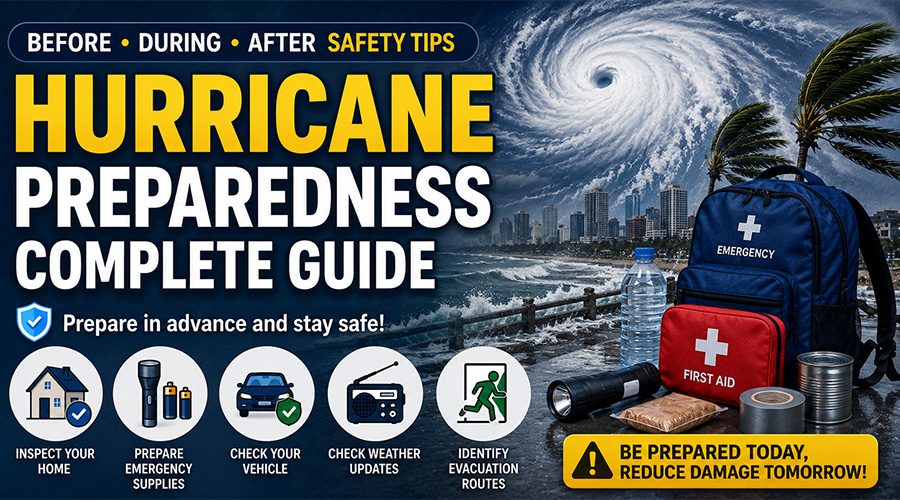
1. Pre-Hurricane Indoor and Outdoor Safety Checklist
When a hurricane watch or warning is issued, the first thing to do is check for hazards inside and outside your home. Items on balconies or in yards that could be blown away by the wind, such as potted plants and patio furniture, must all be moved indoors or securely tied down.
If drains and gutters are clogged with debris, backflow or flooding can occur during a sudden downpour, so it is important to clean them in advance. Also, prepare for power outages by charging emergency lanterns and power banks, and secure a first-aid kit and enough bottled water.
2. Window Reinforcement and Damage Prevention from Strong Winds
The main cause of window damage from strong winds during a hurricane is the glass vibrating and hitting the window frame. Therefore, rather than simply taping an 'X' on the glass, the key is to tightly seal the gaps between the window and the frame.
To prevent the window frame from shaking, insert rolled-up newspapers, milk cartons, or pieces of cardboard into the gaps. Lock the window securely and then apply tape tightly around the edges of the window frame. Avoid approaching windows and keep curtains closed to prevent glass shards from flying into the room if the window shatters.
3. Flood Damage Prevention and Vehicle Safety Management
If you live in a low-lying area or a region prone to frequent flooding, you should install water barriers and sandbags at apartment underground parking lots or building entrances in advance. Vehicles parked near rivers or in low-lying areas must be immediately moved to a safe location on higher ground.
If roads begin to flood while you are driving, you must detour quickly before the water reaches two-thirds of your tire height. Do not attempt to drive through already flooded roads or underpasses; it is safer to abandon the vehicle and evacuate immediately to higher ground.
4. Situational Emergency Procedures During a Hurricane
While a hurricane is directly affecting your area, you must absolutely avoid unnecessary outings. Stay indoors and continuously monitor weather conditions via TV, radio, or smartphone disaster safety apps.
If you are caught outside in a hurricane, stay far away from construction sites, utility poles, and street trees, as there is a high risk of falling objects and electrocution. Stay away from retaining walls that might collapse or areas prone to landslides, and evacuate inside a sturdy building immediately.
5. Post-Hurricane Safety Checks and Recovery Guidelines
Do not let your guard down even after the hurricane has passed. Damaged electrical facilities or gas pipes pose a serious risk of electrocution and fire, so do not touch them yourself; report them immediately to the local utility companies.
Before entering a flooded house, turn off the gas and electricity, ventilate the area thoroughly, and have a safety inspection conducted. Also, do not consume any food or water that has come into contact with floodwaters, as there is a high chance of contamination.
Frequently Asked Questions (FAQ)
What is the most effective way to tape windows for hurricane preparation?
Rather than taping an 'X' in the center of the glass, it is much more effective to seal and secure the gaps between the window frame and the glass tightly with tape. The key is to wedge newspapers or cardboard into the gaps so the window frame does not shake.
What is the difference between a hurricane watch and a hurricane warning?
A hurricane watch is issued when conditions such as strong winds, high waves, or heavy rain are possible. A hurricane warning is issued when severe damage is expected, such as sustained wind speeds of 21m/s (47 mph) or higher, or expected rainfall of 200mm (8 inches) or more.
What should I do if the road floods while driving?
If the water rises to more than two-thirds of your tires, stop the car immediately and evacuate to a safe place. If the doors will not open due to water pressure, use an emergency hammer or the metal prongs of a headrest to break the corner of the window and escape.
What should I do during a power outage?
Use an emergency flashlight, which carries no fire risk, instead of candles. Open the refrigerator door as little as possible to maintain the cold air, and unplug electronic appliances to prevent accidents caused by power surges or short circuits when the power returns.
What should I be careful of when managing farmland or greenhouses?
It is extremely dangerous to go out and check irrigation channels on farmland during a hurricane, so it is strictly prohibited. Before the storm makes landfall, you must secure greenhouse supports and clear drainage systems in advance.
Final Thoughts
A hurricane is a natural disaster where damage can be significantly reduced through thorough preparation and strict adherence to emergency procedures. Please familiarize yourself with the precautions before landfall and evacuate quickly via disaster safety alerts or emergency services to stay safe in dangerous situations.
Recommended Articles
-
 7 Tips to Save Gas Money! Practical Driving Habits for Better Fuel Efficiency | Ivory Story
In an era of high prices, fuel costs are a major concern for drivers. However, simply tweaking your driving habits and staying on top of basic car maintenance can significantly lower your gas bills. Today, we've compiled actionable, real-world tips to boost your vehicle's fuel efficiency.
-
 2026 Gyeongbokgung Starlight Tour in Seoul, South Korea: Booking Guide, Dates, Tickets & Dosirak Royal Meal
Enjoy a peaceful night at one of Korea's most famous royal palaces! Here is your complete guide to the Gyeongbokgung Starlight Tour, including booking schedules, the Doseuk Surasang traditional royal dinner, the guided tour course, and tips for securing your tickets.
-
 February Zodiac Signs: Aquarius and Pisces Traits & Compatibility
We offer a complete breakdown of the February zodiac signs, Aquarius and Pisces, covering their unique traits, strengths, weaknesses, and romantic compatibility for those born in February.
-
 December Zodiac Signs Guide: Sagittarius & Capricorn Dates, Traits, and Compatibility
What zodiac signs do people born in December have? Let's dive into the details of the December zodiac signs, Sagittarius and Capricorn, exploring their exact dates, personality traits, best compatibility matches, and the lucky birthstones they share.
-
 2026 Fall Festivals in South Korea: Top 5 Events from Mid-September
As the cool breeze sets in, various regions across South Korea come alive with vibrant events. We have compiled the dates, locations, and highlights of five major fall festivals taking place across the country in 2026. From delicious seasonal foods to spectacular sights, make special memories this autumn.
-
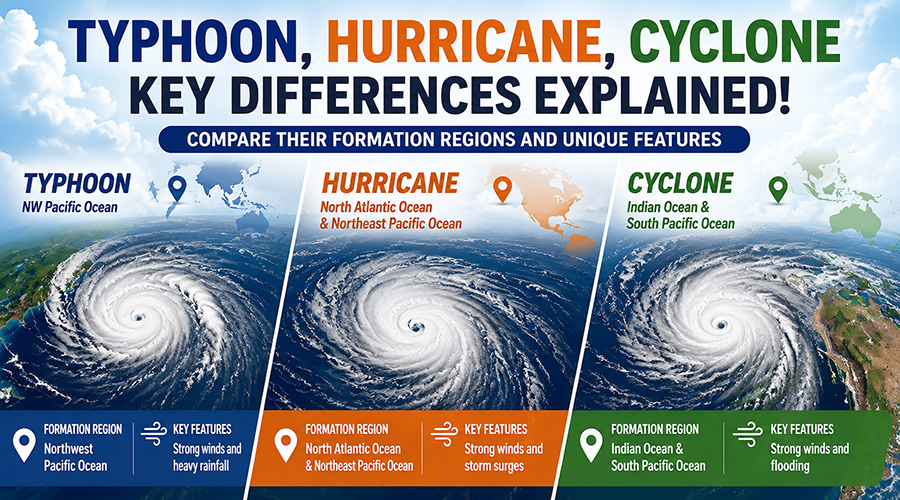 Differences Between Typhoons, Hurricanes, and Cyclones: Origins and Characteristics
Every summer and fall, there is a weather phenomenon that inevitably makes the news: tropical cyclones, accompanied by tremendous wind and rain. Besides the familiar 'typhoon', we often hear terms like 'hurricane' and 'cyclone' in international news. In this article, we will clearly compare the differences between typhoons, hurricanes, and cyclones, and explore the characteristics of each weather phenomenon along with detailed preparation methods.
-
 August Zodiac Signs: Ultimate Guide to Traits and Personalities (Leo & Virgo)
What is the zodiac sign for people born in August? Depending on your exact birthday, you fall under either Leo or Virgo. Let's dive deep into their charming personalities, distinct traits, and romantic compatibility.
-
 The Ultimate Guide to January Zodiac Signs and Birthstones: Capricorn, Aquarius, Garnet, and Winter Stargazing
January, the start of a new year, is a special month filled with hope and resolutions. Those born in January fall under the fascinating zodiac signs of Capricorn or Aquarius, depending on their exact birth date. They are also blessed with the energy of the January birthstone, garnet, which symbolizes truth and friendship. Furthermore, the January night sky is the perfect time for winter stargazing, featuring the brightest and clearest stars of the year. In this guide, we will explore the traits of January zodiac signs, the symbolism and types of the garnet birthstone, and tips for observing the winter night sky.